

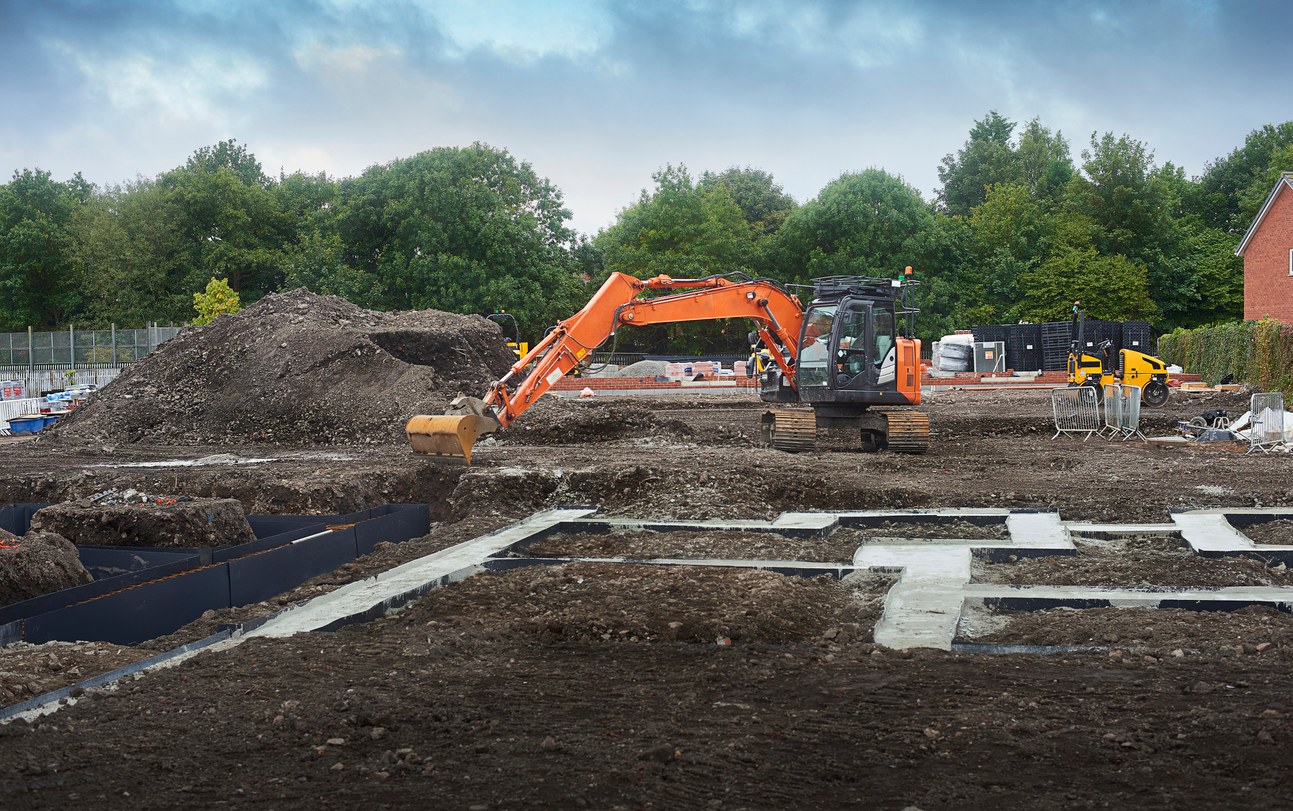
Site Preparation Tips for Commercial Construction: Soil, Drainage, and Building on Caliche
Site preparation for construction is one of the most critical phases of any commercial building project. Long before foundations are poured or steel is erected, the success of a commercial facility depends on how well the site is evaluated, engineered, and prepared. In Texas—particularly West Texas—unique soil conditions, drainage challenges, and the presence of caliche make commercial site preparation even more complex.
For developers, owners, and facility managers, understanding commercial site preparation helps reduce risk, control costs, and avoid delays. This guide explains what site preparation in construction involves, why it matters for commercial projects, and how soil, drainage, and caliche influence the process across Texas.
What Is Site Preparation in Construction?
Site preparation in construction refers to the work required to make land ready for building before vertical construction begins. This phase establishes the physical and structural conditions that support foundations, pavement, utilities, and long-term performance of the facility.
In commercial construction, site preparation typically includes site evaluation and surveying, soil testing and geotechnical analysis, clearing and earthwork, grading and compaction, preconstruction planning, and utility coordination.
Unlike residential projects, commercial buildings place heavier loads on the ground and require tighter tolerance. Working with an experienced commercial construction company in Midland, Texas early in the process helps ensure site conditions support the building long after construction is complete. NC Sturgeon’s integrated commercial construction services incorporate site preparation into the overall project strategy from the start.
Commercial Construction Site Preparation Tips Infographic
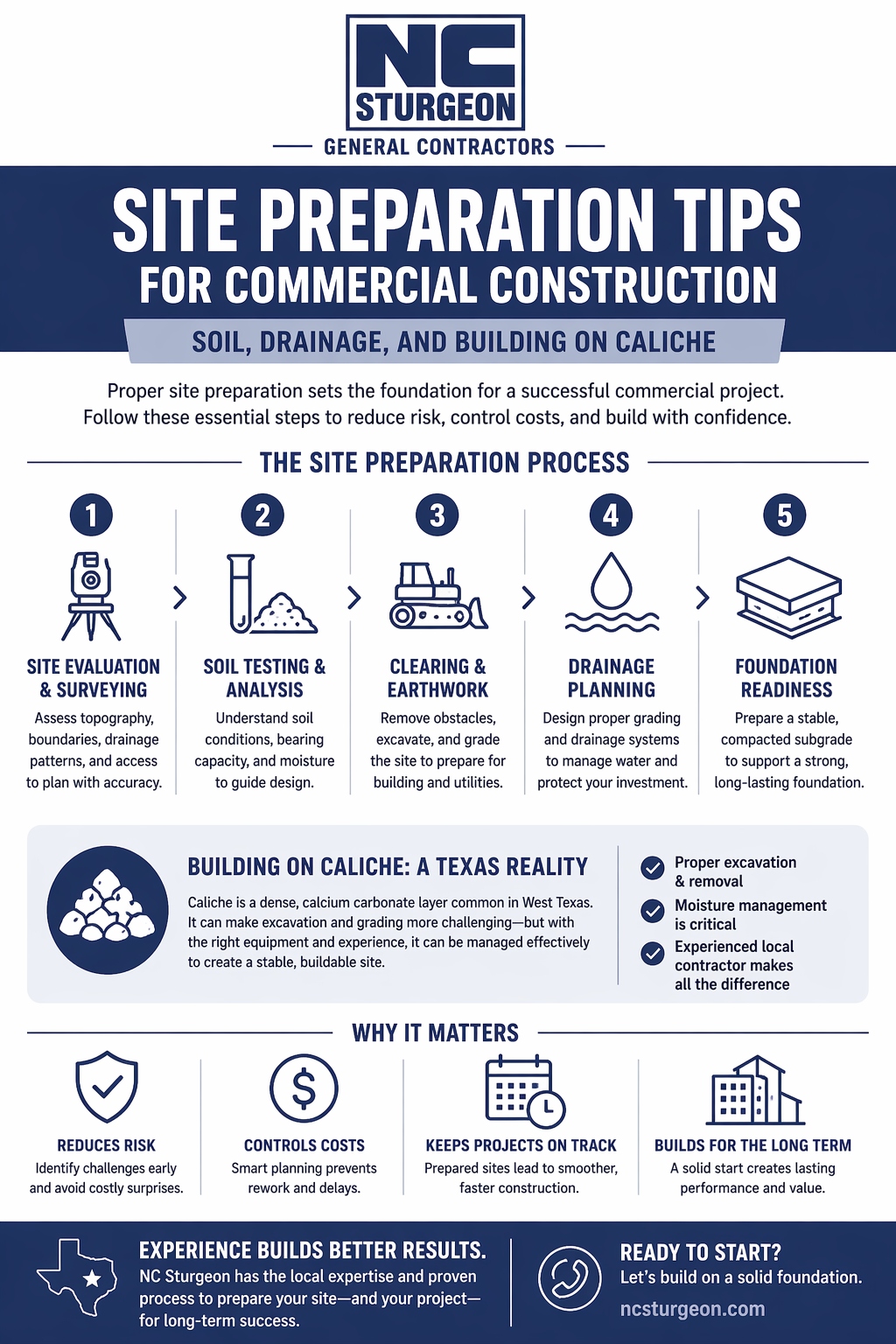
The Commercial Site Preparation Process (Step by Step)
1.) Site Evaluation and Surveying
Every commercial project begins with a detailed site evaluation. Surveying establishes property boundaries, elevations, slopes, and existing site features that influence grading and drainage design.
Accurate surveying allows engineers and builders to design grading plans that meet performance requirements and regulatory standards, a principle emphasized by the American Society of Civil Engineers.
Key considerations include natural topography, runoff patterns, access points for construction traffic, floodplain conditions, and setbacks from adjacent properties.
2.) Soil Testing and Subgrade Evaluation
Soil conditions are one of the most influential factors in site preparation for construction. Texas contains more than 1,300 distinct soil types, each with different load-bearing capacities, moisture behavior, and compaction requirements.
Geotechnical testing evaluates soil composition, density, bearing capacity, moisture sensitivity, and suitability for compaction. These findings directly inform foundation design, pavement structure, and drainage planning.
Expansive clays—common across Texas—can swell when wet and shrink when dry, creating movement beneath slabs and foundations. Identifying these conditions early allows project teams to plan appropriate foundation systems and drainage strategies.
Many commercial site preparation projects for construction rely on detailed county-level soil data from the USDA Natural Resources Conservation Service soil surveys. Soil evaluation is also a core part of NC Sturgeon’s design-build construction services, allowing site conditions to inform both design and construction decisions.
3.) Clearing, Demolition, and Earthwork
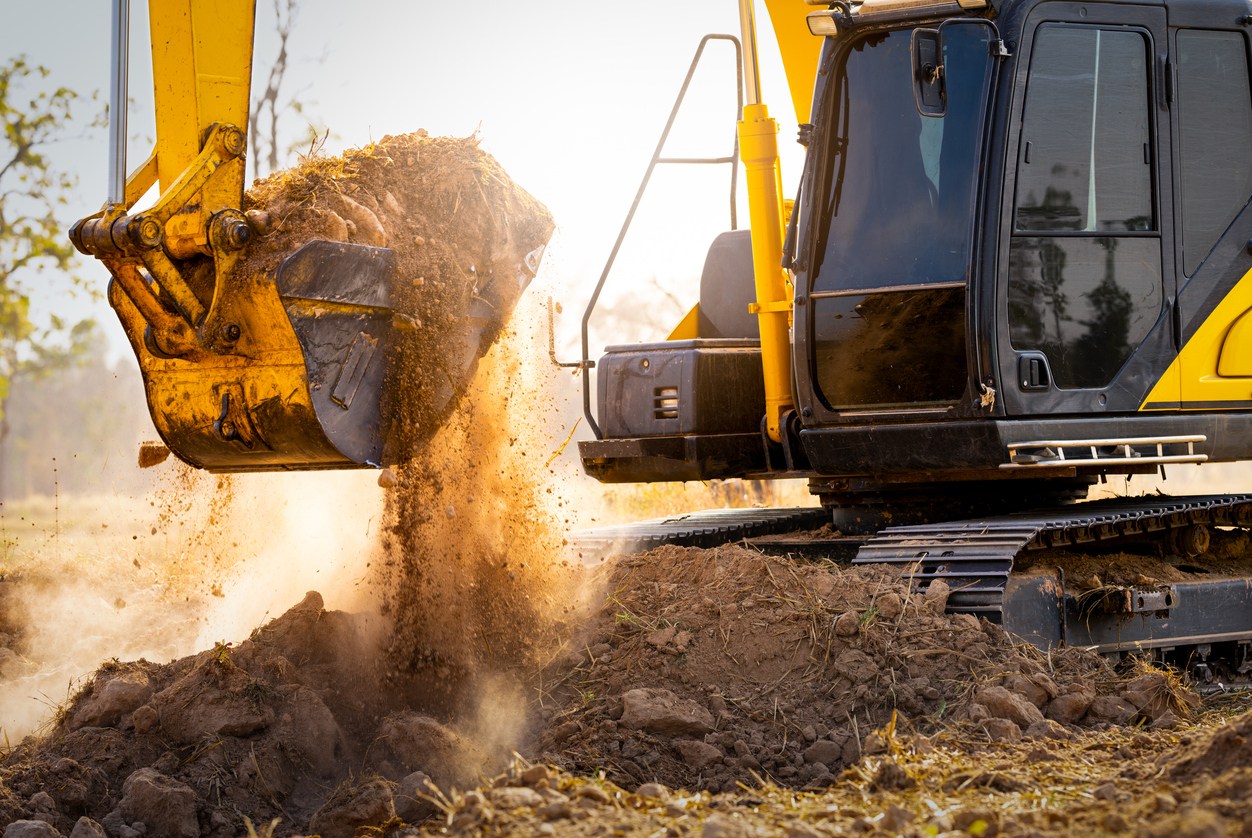
Once site conditions are evaluated, clearing and earthwork begin. This phase may include removing vegetation, demolishing existing structures, excavating unsuitable soils, and rough grading to establish design elevations.
In commercial projects, earthwork must be carefully sequenced to maintain site access, protect natural drainage paths, and prepare the site for utilities and foundations.
Drainage Planning for Commercial Construction Sites
Drainage is a critical component of commercial site preparation, especially in Texas, where rainfall intensity and soil permeability vary by region. Proper drainage planning helps prevent water accumulation beneath slabs, reduces erosion, and improves long-term pavement performance.
Common drainage strategies include surface grading, swales, retention or detention ponds, and subsurface drainage systems. Drainage design must work hand-in-hand with soil conditions, as some soils drain quickly while others retain moisture.
The U.S. Environmental Protection Agency’s construction stormwater guidance outlines best practices for managing runoff during and after construction. On commercial projects, drainage planning is often coordinated through experienced construction project management to ensure site work aligns with construction sequencing.
Read More: How to Choose the Right Construction Site for Your Church
Building on Caliche: A Texas-Specific Challenge
One of the most distinctive site preparation challenges in Texas—particularly in West Texas—is caliche.
Caliche is a hardened soil layer formed when calcium carbonate cements soil particles together over time. The result is a dense, rock-like material commonly found in West and South Texas. Caliche is estimated to cover roughly 9% of Texas land area, making it a frequent consideration in commercial construction planning. Geological background on caliche formation is documented by the U.S. Geological Survey.
Caliche affects commercial construction site preparation in several ways. Excavation can be difficult due to its hardness, drainage behavior may trap water above dense layers, and foundation design must account for inconsistent thickness. Best practices include early geotechnical testing, specialized excavation methods, proof rolling, and close coordination between drainage and foundation design.
The professionals from NC Sturgeon are experienced with commercial construction in West Texas and will address these issues early, reducing risk and avoiding surprises during construction.
Commercial Site Preparation Checklist
Before vertical construction begins, a well-prepared commercial site should have verified surveys, completed soil testing, an installed drainage plan, stabilized or removed unsuitable soils, completed grading and compaction, coordinated utilities, and satisfied environmental and permitting requirements.
Using a checklist helps reduce risk and keeps projects moving efficiently.
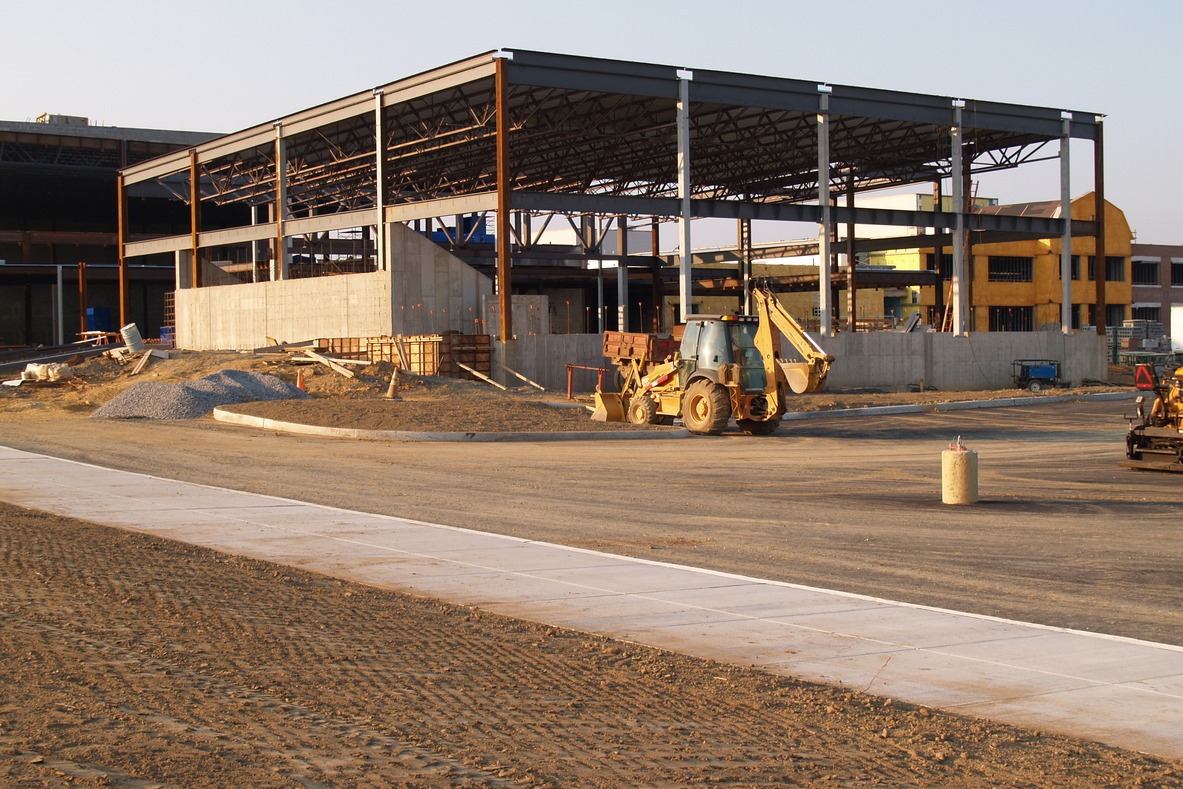
Commercial Construction and Site Preparation Services in Texas
Commercial site preparation requires coordination between engineers, surveyors, contractors, and inspectors. The trained technicians from our commercial construction company understand how early decisions about soil, grading, and drainage affect the entire project lifecycle.
View our portfolio of previous construction projects. If you need assistance with preparing your property for construction, give our professionals a call at (432) 563-5393 or contact us online to receive assistance.