

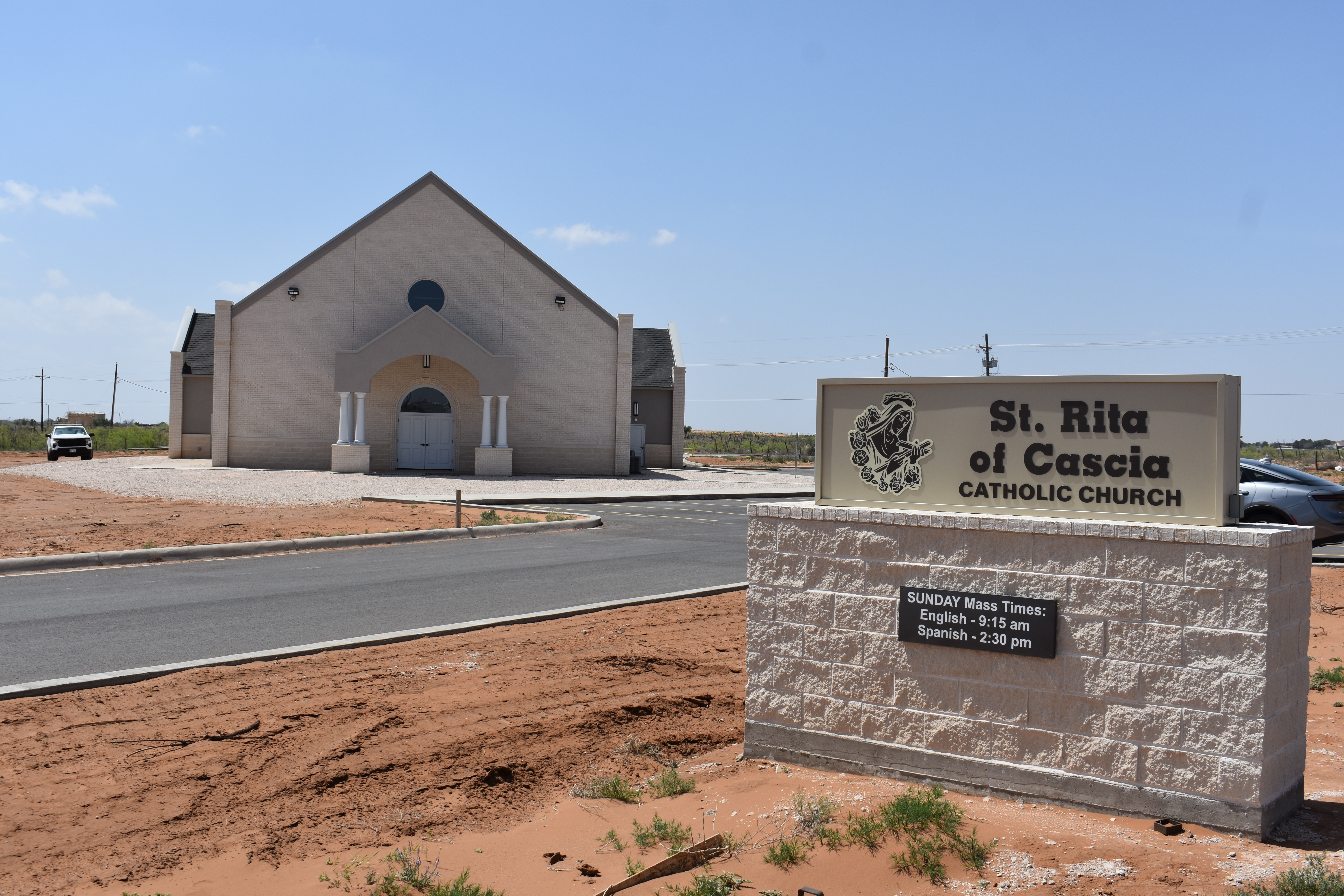
Choosing the Right Church Construction Site: What to Consider for Building and Future Growth
NC Sturgeon has completed more than 300 church construction and renovation projects across West Texas, giving their team extensive experience in what makes a church site successful long term. That experience shows that choosing the right site is one of the most important decisions a church can make before construction begins.
The land you choose affects construction cost, schedule, zoning for churches, campus layout, and how easily the church can grow over time. A site that works for a single building today may limit future classrooms, offices, or community spaces if expansion is not considered early.
Church construction site selection should focus on buildability, zoning, utilities, campus layout, and long-term growth. This guide outlines the key church building site requirements churches should evaluate when selecting land for church construction and planning a campus built to serve future generations.
Evaluate the Construction Site Through Preconstruction Planning
Before purchasing land, churches should confirm the site can support their building and long-term campus plan. This is where preconstruction planning matters. NC Sturgeon can review site constraints early and coordinate the right technical input, such as civil and geotechnical evaluations, to avoid surprises later.
Key items to evaluate include:
• Zoning and approval requirements for churches
• Zoning and approval requirements for churches
• Utility access and capacity
• Soil, drainage, and grading conditions that affect foundation and sitework costs
• Site access for construction traffic and long-term circulation
A thorough church site feasibility study is a critical step that helps leadership avoid selecting land that appears suitable but leads to permitting delays, higher development costs, or the need for redesign during construction.
Plan the Site Around Church Buildings and Campus Function
Church campuses serve multiple purposes beyond worship spaces. Construction planning should support how people move through the site and how buildings function together.
When evaluating a site, churches should consider space for:
• A sanctuary sized for current attendance with room for future growth (consider seating layouts like fan-shape, hall-shape, or transepts to support visibility and future flexibility)
• Classroom buildings for children, youth, and adult education
• Administrative offices and meeting rooms
• Fellowship halls or multipurpose spaces
• Outdoor gathering or recreation areas
The church building site requirements should ensure that all buildings can be arranged logically and safely. Effective church traffic flow design is essential so that circulation, visibility, and safety are intuitive for regular attendees, volunteers, and visitors.
Plan for Future Additions Like Classrooms, Youth Space, and Expansions
Most churches expand over time. Growth often includes additional classrooms, education wings, youth spaces, or a larger sanctuary. Selecting land that supports phased construction helps protect long-term flexibility.
Future expansion planning church sites should account for:
• Open areas reserved for additional buildings
• Locations for future classrooms or education wings
• Utility infrastructure sized for expansion
• Campus circulation as buildings are added
• Construction phasing that limits disruption to ongoing ministry
A well-developed church campus master plan enables leadership to visualize how the site will evolve over time and ensures that today’s decisions don’t create tomorrow’s limitations. When choosing land for church construction, always consider how easily it will accommodate future expansion.
Zoning and Permitting Requirements for Church Construction
Zoning for churches varies significantly by municipality. Some jurisdictions allow churches by right, while others require special use permits, public hearings, or other conditional approvals.
Church site planning should consider:
• Land use designation and any conditional use or special permits
• Building setbacks, height, and density limitations
• Fire access roads and emergency planning requirements
• Stormwater management and site coverage regulations
• Local rules regarding lighting, traffic, and noise levels
Working with a team experienced in navigating zoning for churches helps minimize delays and avoids selecting a site with regulatory barriers that could stall or derail the project.
Site Conditions That Affect Construction Cost and Timeline
Church construction benefits from early input by a builder who understands how land, buildings, and infrastructure interact. Without this insight, it’s easy for design decisions to inadvertently increase cost or limit adaptability.
With experience on more than 300 church projects, NC Sturgeon helps churches:
• Evaluate land for church construction through a buildability lens
• Align church building site requirements with design and use
• Plan phased construction to support future expansion planning church goals
• Control costs while maintaining architectural and functional quality
This construction-led approach ensures churches make informed, proactive decisions about land and layout—critical in managing budget, timing, and long-term ministry growth.
Additional Site Access and Parking Considerations
A key part of planning any church campus is ensuring safe and sufficient access for members and guests. This includes designing compliant church driveway access and meeting applicable church parking requirements.
Churches should work with civil engineers and site planners to:
• Determine required parking ratios based on occupancy
• Lay out efficient and ADA-compliant parking lots
• Create logical drop-off zones and designated church driveway access points
• Support a smooth church traffic flow design that accommodates both vehicles and pedestrians
These access and circulation features are often subject to local code requirements and can impact zoning approvals and construction timelines if not addressed early.
Start Planning Your Church Project with NC Sturgeon
The right construction site sets the foundation for decades of ministry. With thoughtful planning and the right construction partner, churches can build campuses that support worship, education, and community as they grow.
NC Sturgeon works with church leadership teams to plan, design, and construct church facilities that balance budget, functionality, and long-term expansion.
Contact NC Sturgeon to discuss your church construction project and site planning needs.
Explore our full range of Services or view completed projects in the Portfolio.